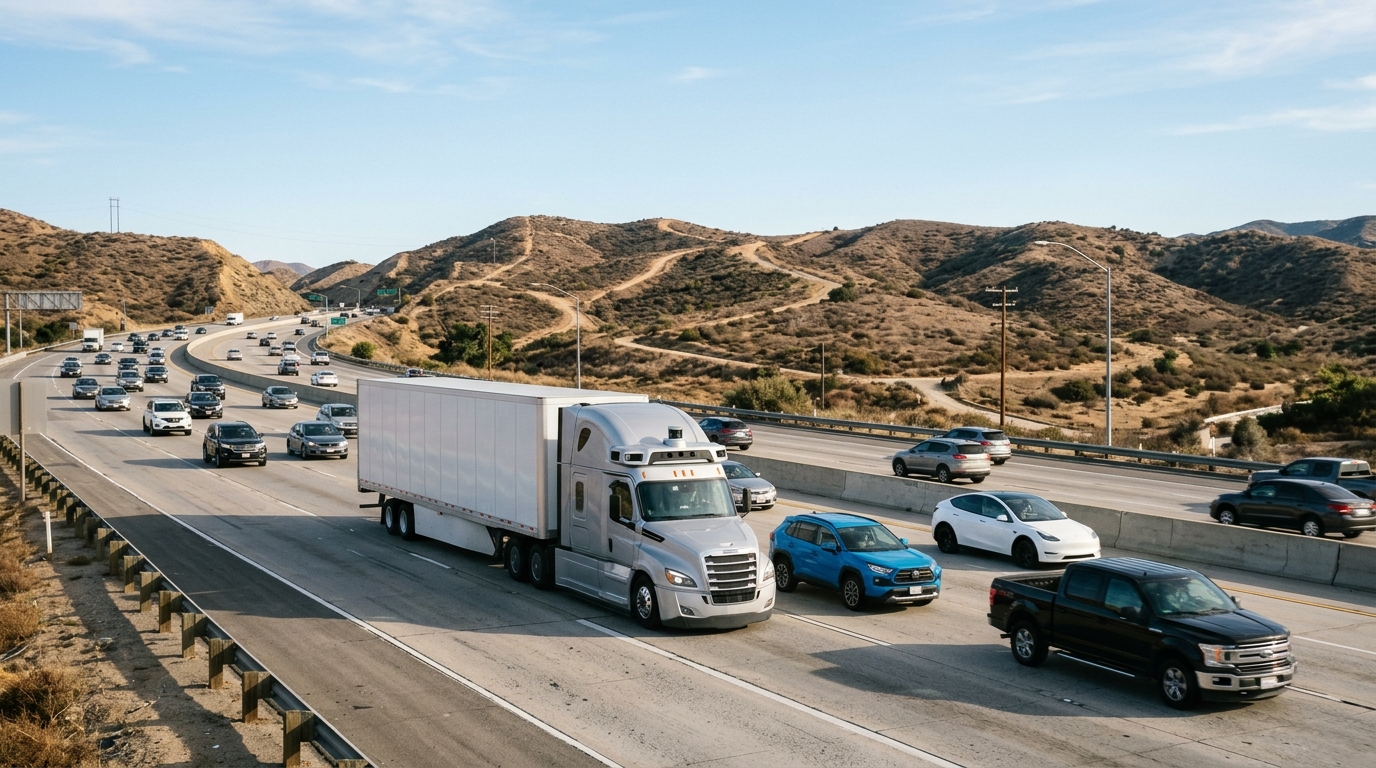
California now allows autonomous vehicle manufacturers to apply for permits involving heavy-duty vehicles with a gross vehicle weight rating of 10,001 pounds or more. The 2026 rules remove a long-standing state prohibition and create a regulated path for testing and deployment while adding stronger reporting, emergency response, remote operation, and enforcement requirements.
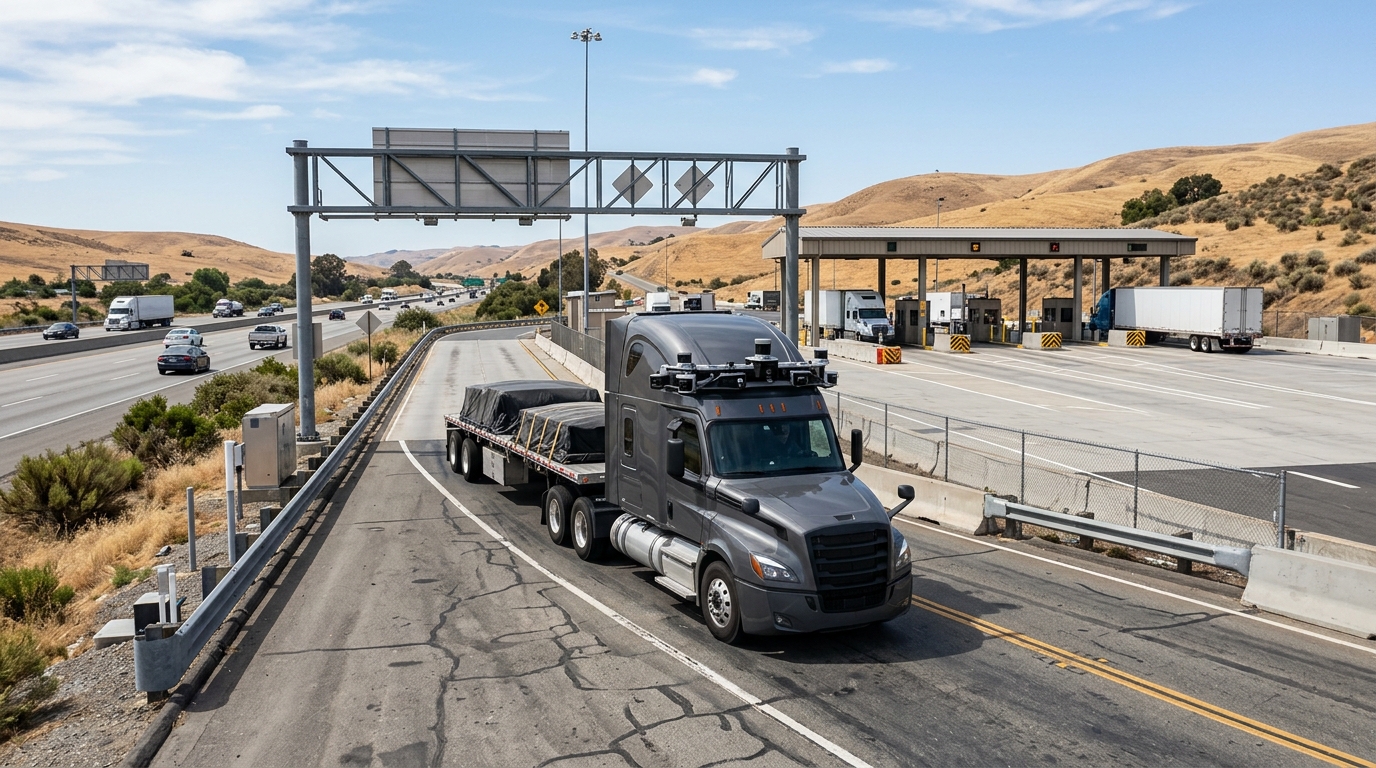
What Changed For Heavy-Duty Autonomous Trucks
On April 28, 2026, the California Department of Motor Vehicles adopted a major update to the state’s autonomous vehicle regulations. One of the biggest changes affects heavy-duty vehicles. The previous framework prohibited autonomous testing and deployment for vehicles with a gross vehicle weight rating of 10,001 pounds or more.
The updated rules remove that prohibition. Autonomous vehicle manufacturers may now seek DMV permits to test or deploy qualifying heavy-duty technology on California public roads. The change creates a legal pathway for autonomous freight operations that previously did not exist under California’s general AV program.
The California DMV announcement on the 2026 autonomous vehicle regulations explains that the update covers both light-duty and heavy-duty vehicles. It also makes clear that authorization to apply for a permit is not blanket permission for every autonomous truck to operate anywhere in the state.
Permits Do Not Mean Unrestricted Truck Operations
The new framework keeps the DMV at the center of autonomous vehicle permitting and oversight. Manufacturers still need the appropriate authorization before conducting regulated testing or deployment. Operating conditions can depend on the permit, vehicle, technology, location, and other requirements in the state’s AV rules.
Heavy-duty autonomous vehicles also remain commercial motor vehicles. The DMV says these vehicles must stop at California Highway Patrol weigh stations and comply with applicable state and federal commercial motor vehicle requirements.
Readers who want to review the underlying framework can use the DMV’s California Autonomous Vehicle Regulations page, which provides access to adopted regulatory documents and the rulemaking history.
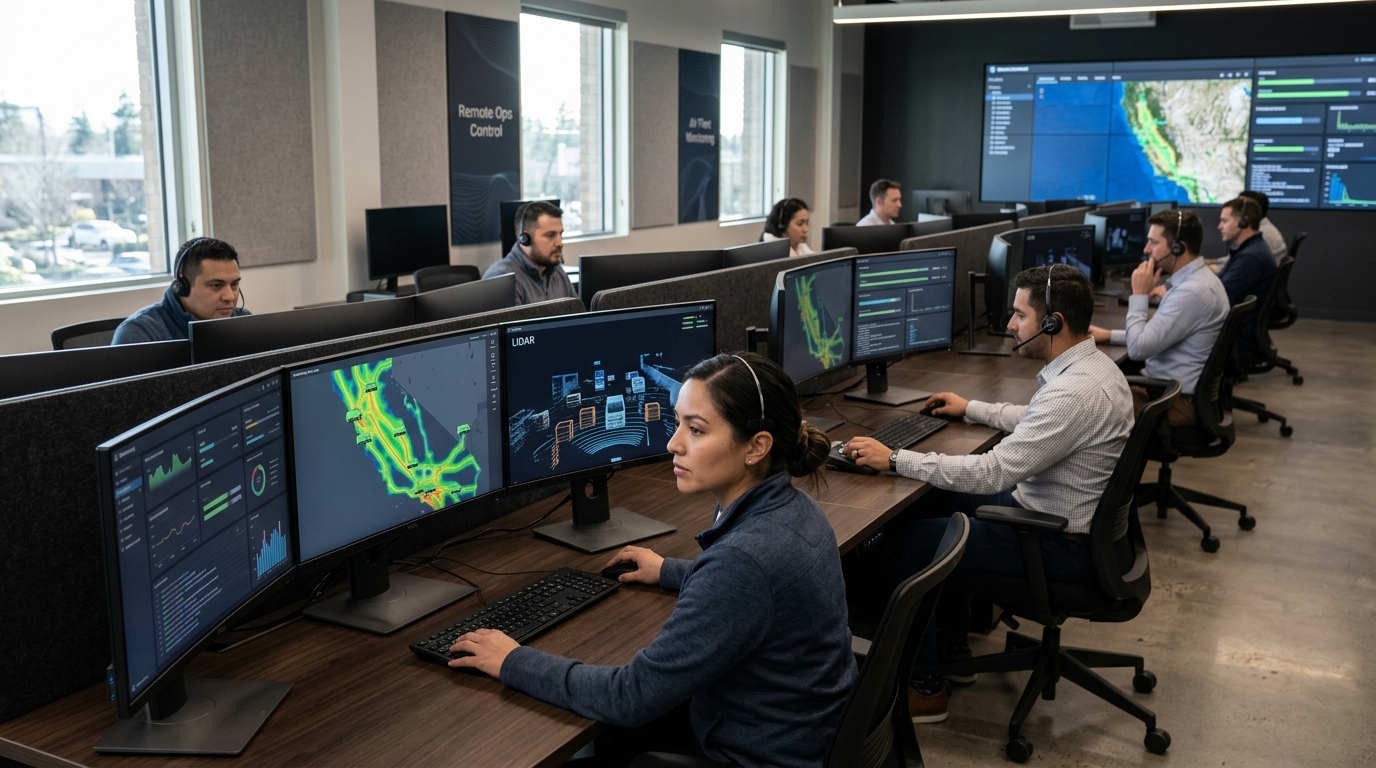
Safety Oversight Expands Under The New Rules
The 2026 update goes beyond opening the door to autonomous trucks. It also expands the information manufacturers must provide and gives regulators more tools to respond when safety concerns arise.
More Detailed Safety Data
The updated reporting system focuses on additional safety indicators. DMV reporting can include system failures, vehicle immobilizations, hard braking events, collision information, and vehicle miles traveled. These data points can help regulators evaluate how autonomous systems behave during real-world operation.
DMV Can Place Targeted Restrictions
The new enforcement tools give the DMV authority to impose targeted operational restrictions when public safety concerns justify them. Those restrictions may address fleet size, operating location, vehicle speed, or weather conditions.
That approach allows the state to respond to a particular operating problem without treating every autonomous vehicle program the same. A restriction could focus on the circumstances connected to a safety issue instead of automatically affecting unrelated operations.
Emergency Geofencing Becomes Part Of The Framework
Local emergency response officials also gain an important tool. Under the new rules, authorized officials can issue emergency geofencing directives to autonomous vehicle manufacturers. The rules require manufacturers to direct affected fleets away from the identified area within two minutes of receiving the message.
The goal is to reduce conflicts between autonomous vehicles and emergency activity. Fires, major crashes, evacuations, police incidents, and other emergencies can create road conditions that differ sharply from normal traffic patterns.
Remote Operations Face Clearer Standards
Autonomous trucking does not necessarily mean a vehicle operates without any human support. Remote operations can play a role when an automated system needs assistance or when a company manages vehicles from an operations center.
California’s updated rules establish standards for remote operations personnel. These include licensing qualifications plus permitting and training requirements for remote drivers and assistants. The details are important because a person interacting with an autonomous truck remotely may perform a different role from a conventional driver seated inside the cab.
The framework therefore treats remote support as a regulated part of AV operations rather than an informal backup process.
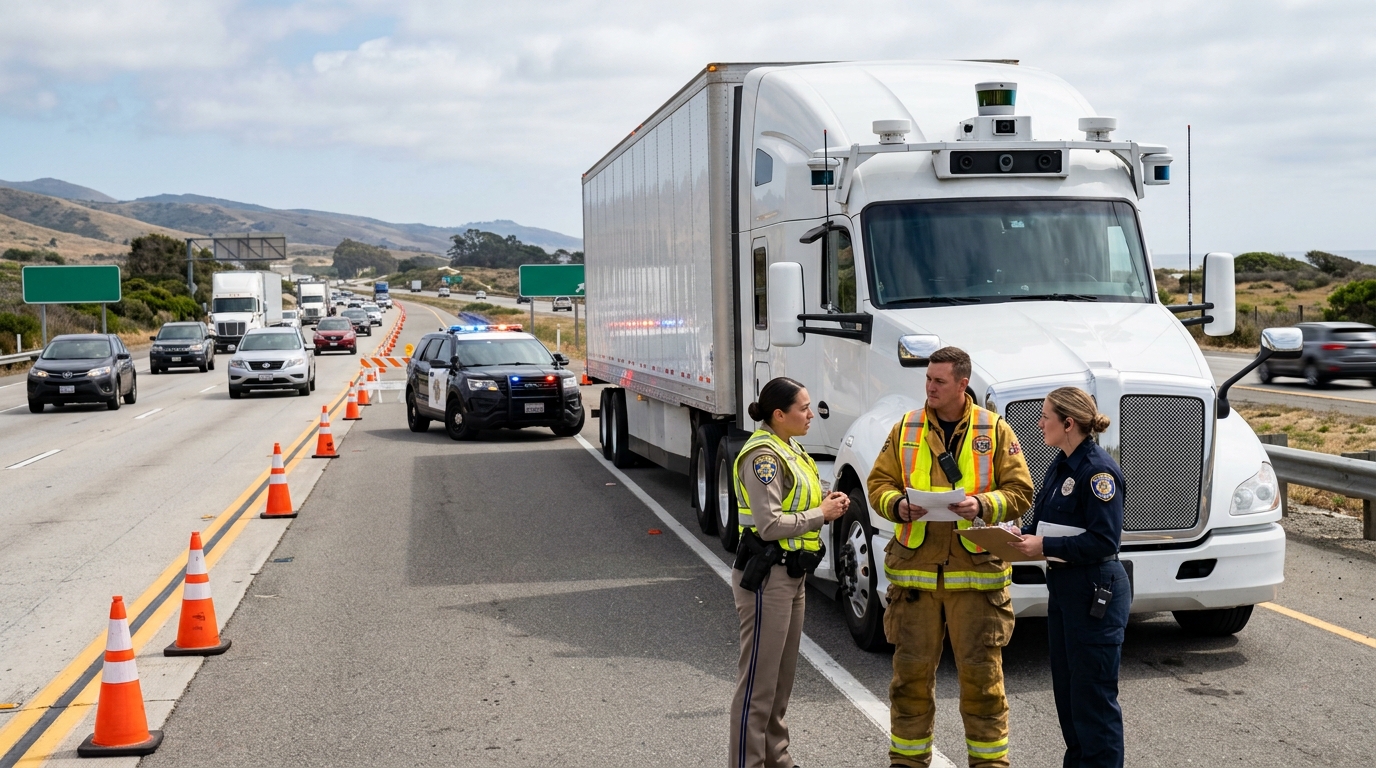
First Responders Get New AV Communication Tools
California has also changed how driverless autonomous vehicles interact with police, firefighters, and other first responders. Separate requirements connected to AB 1777 took effect on July 1, 2026.
The California Highway Patrol says manufacturers of qualifying driverless AVs must provide a two-way communication device that first responders can use. The law also created a process for law enforcement to issue a notice of autonomous vehicle noncompliance to a manufacturer when an AV allegedly violates traffic rules.
The California Highway Patrol’s 2026 new laws summary provides additional information on these first responder provisions.
For heavy-duty autonomous trucks, emergency communication may be especially important because large commercial vehicles occupy more road space and can require different procedures during roadside incidents.
Federal Commercial Vehicle Rules Still Matter
California regulates whether autonomous vehicle manufacturers can test and deploy on state roads, but commercial trucking also operates within a federal safety framework. The Federal Motor Carrier Safety Administration oversees major areas of commercial vehicle operations.
FMCSA has been studying how existing Federal Motor Carrier Safety Regulations interact with automated driving systems. Its work on safe integration of automated commercial vehicles addresses regulatory questions created when traditional rules designed around human drivers meet automated systems.
As a result, a California AV permit should not be interpreted as an exemption from every other commercial trucking requirement. Manufacturers and operators still need to account for applicable federal and state rules.
What California Drivers May Notice Next
The new regulations create a path for heavy-duty AV activity, but they do not mean California highways suddenly become filled with driverless tractor-trailers. Manufacturers must move through permitting, testing, operational planning, and compliance steps.
For the public, the next useful indicators may include new permit approvals, updates to DMV permit-holder lists, reported autonomous vehicle incidents, and announcements about specific operating areas. These details can show where the technology is moving from regulatory authorization toward real-world use.
The DMV maintains an autonomous vehicle permit holder list for companies participating in California’s AV programs. Checking that source is more reliable than assuming a company has permission based only on a product announcement or demonstration.
Why The 2026 Rules Matter
California’s new heavy-duty autonomous vehicle regulations mark a significant shift in state transportation policy. The state has moved from prohibiting autonomous vehicles at or above the 10,001-pound threshold to allowing manufacturers to pursue permits under a detailed oversight framework.
At the same time, the rules add reporting obligations, remote operator standards, emergency geofencing, first responder coordination, and stronger enforcement tools. Heavy-duty AVs also remain subject to commercial vehicle requirements, including CHP weigh station obligations.
The result is not unrestricted autonomous trucking. It is a regulated pathway that gives manufacturers a chance to test and deploy new technology while giving California agencies additional ways to monitor operations and respond to safety concerns.