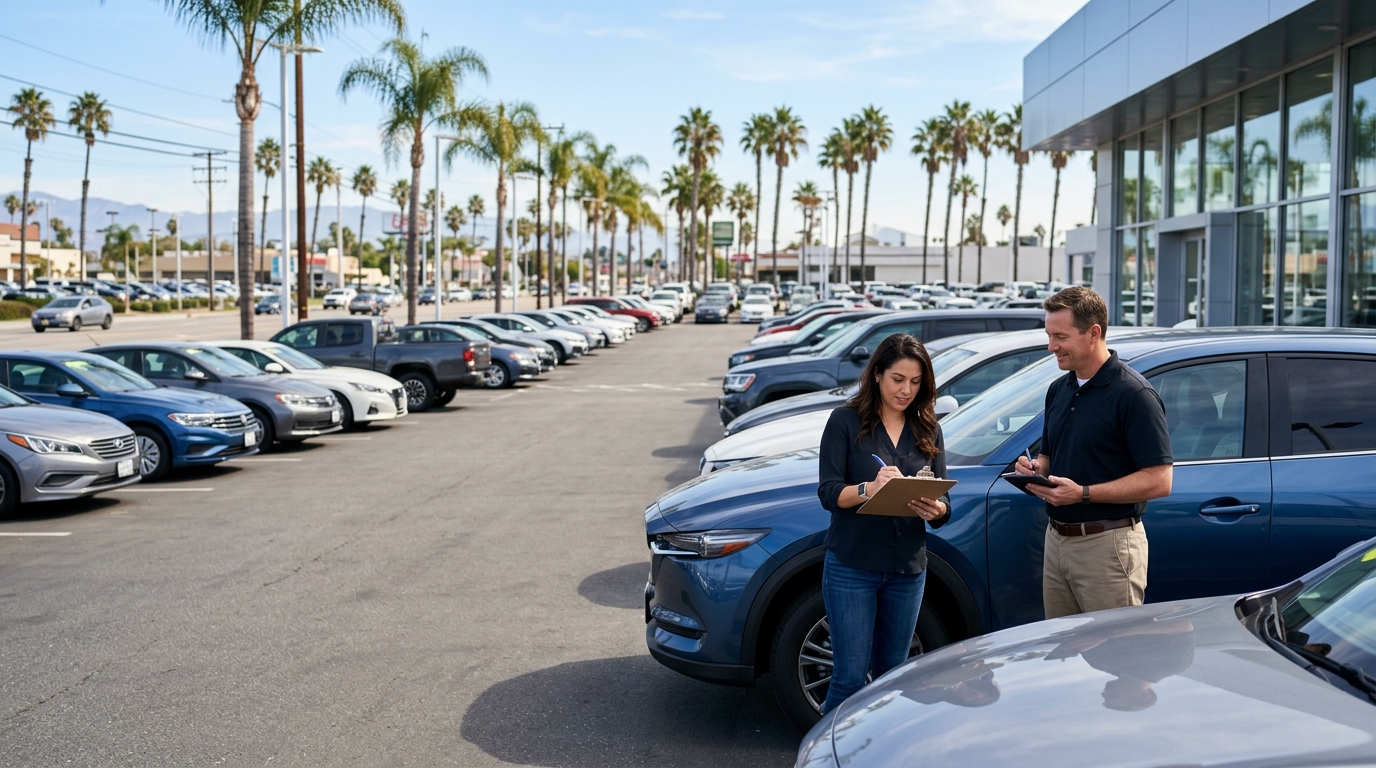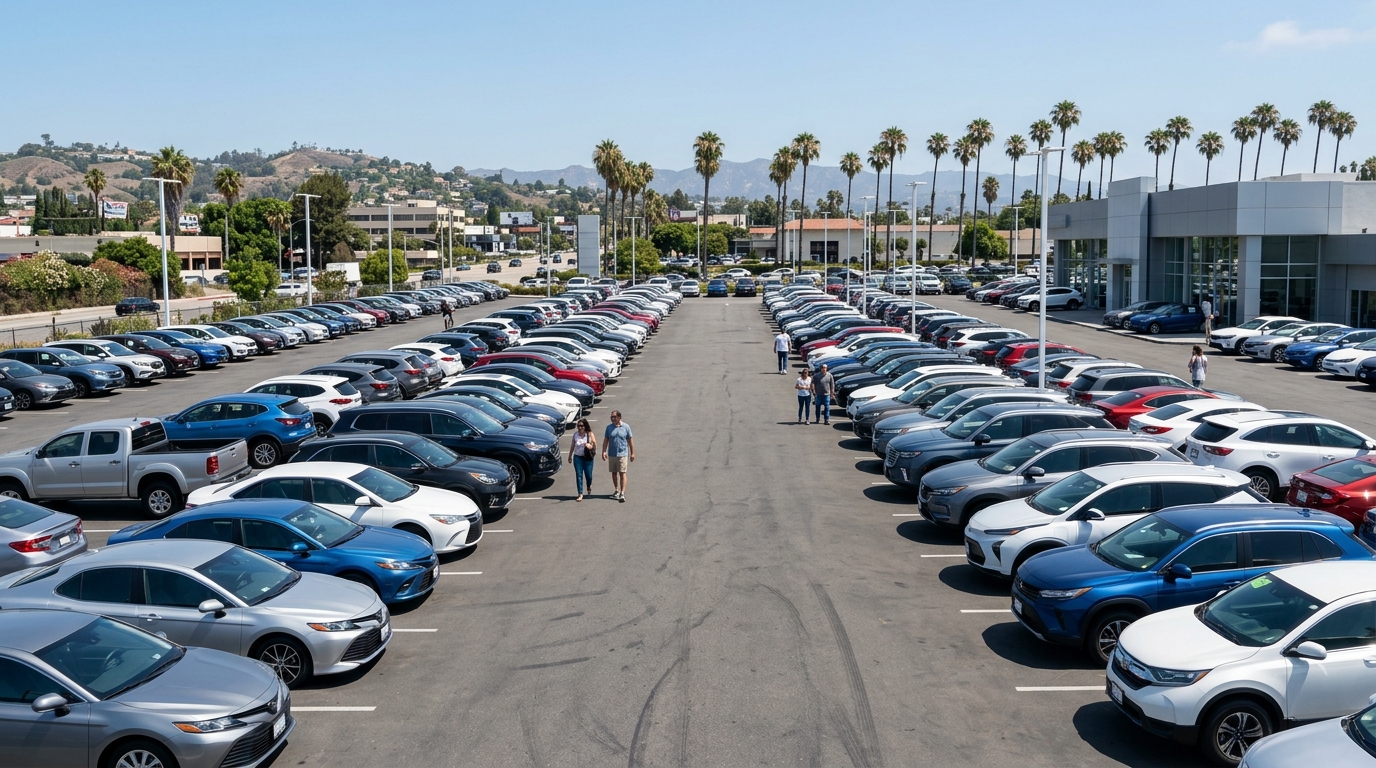
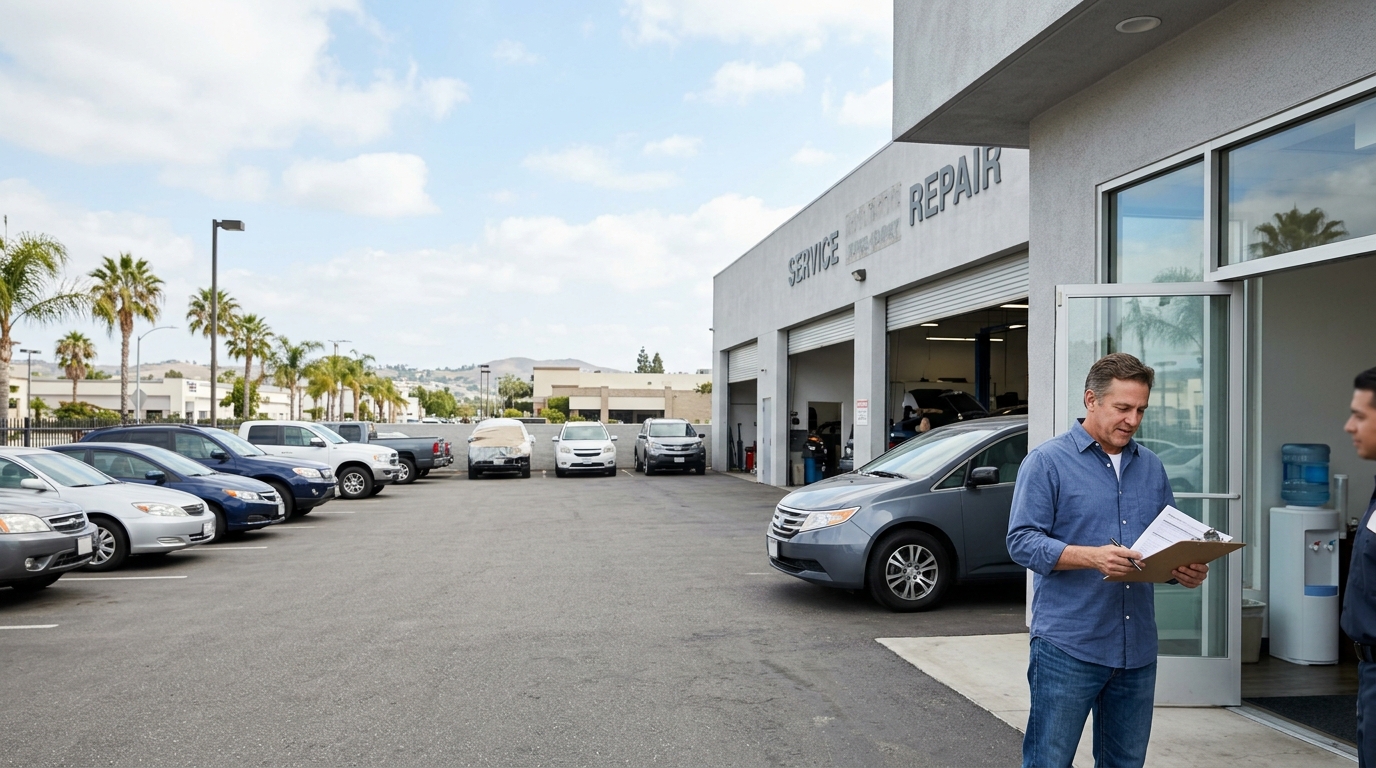
California drivers dealing with collision repairs, towing, or a vehicle left at an automotive repair shop may encounter daily storage charges. Those fees already operate under several state consumer protection rules, but California’s Bureau of Automotive Repair is considering a new regulatory framework that could make storage rates, notices, vehicle access, invoices, and storage locations more transparent.
The proposed regulations are not final as of August 2026. BAR released a second modified version in August and opened another public comment period through August 28. At the same time, separate storage and towing protections enacted through Assembly Bill 987 have already been in effect since January 1, 2026.
When Can A California Repair Shop Charge Storage Fees?
An automotive repair dealer may charge reasonable storage fees in certain circumstances. However, simply having a vehicle at a repair facility does not automatically mean storage charges can begin immediately.
BAR’s current guidance on automotive repair dealers and storage fees explains several situations in which storage charges may arise.
For example, a vehicle may arrive at a business after an accident or recovery of a stolen vehicle. Storage charges can also arise after authorized repairs are completed and the customer receives an invoice, subject to applicable lien rules.
A different situation can occur after a visual inspection or tear down. If the customer receives the required repair estimate but declines further repairs or does not retrieve the vehicle within the applicable timeframe, storage charges may become relevant.
The exact timing depends on the type of transaction. That makes written estimates, repair authorizations, invoices, and notices important records for both the customer and repair business.
California Already Added New Protections In 2026
Some storage fee changes are already law. AB 987 amended California’s Vehicle Code and became effective January 1, 2026.
The law expanded the list of towing and storage charges that California considers presumptively unreasonable in covered situations. The official AB 987 legislative record provides the full chaptered measure.
For example, storage fees charged for a state holiday are presumptively unreasonable when they exceed the facility’s posted standard daily storage rate.
Another protection applies after an owner requests release of a vehicle and pays all fees then due. Storage charges for a later day when the storage facility fails to release that vehicle are also identified as presumptively unreasonable.
The law also addresses vehicles retrieved quickly. Storage charges exceeding 50 percent of the regular daily storage rate are presumptively unreasonable when a vehicle is recovered during the first four hours of storage.
Additional limits address certain gate fees and towing charges related to clearing a roadway for emergency access.
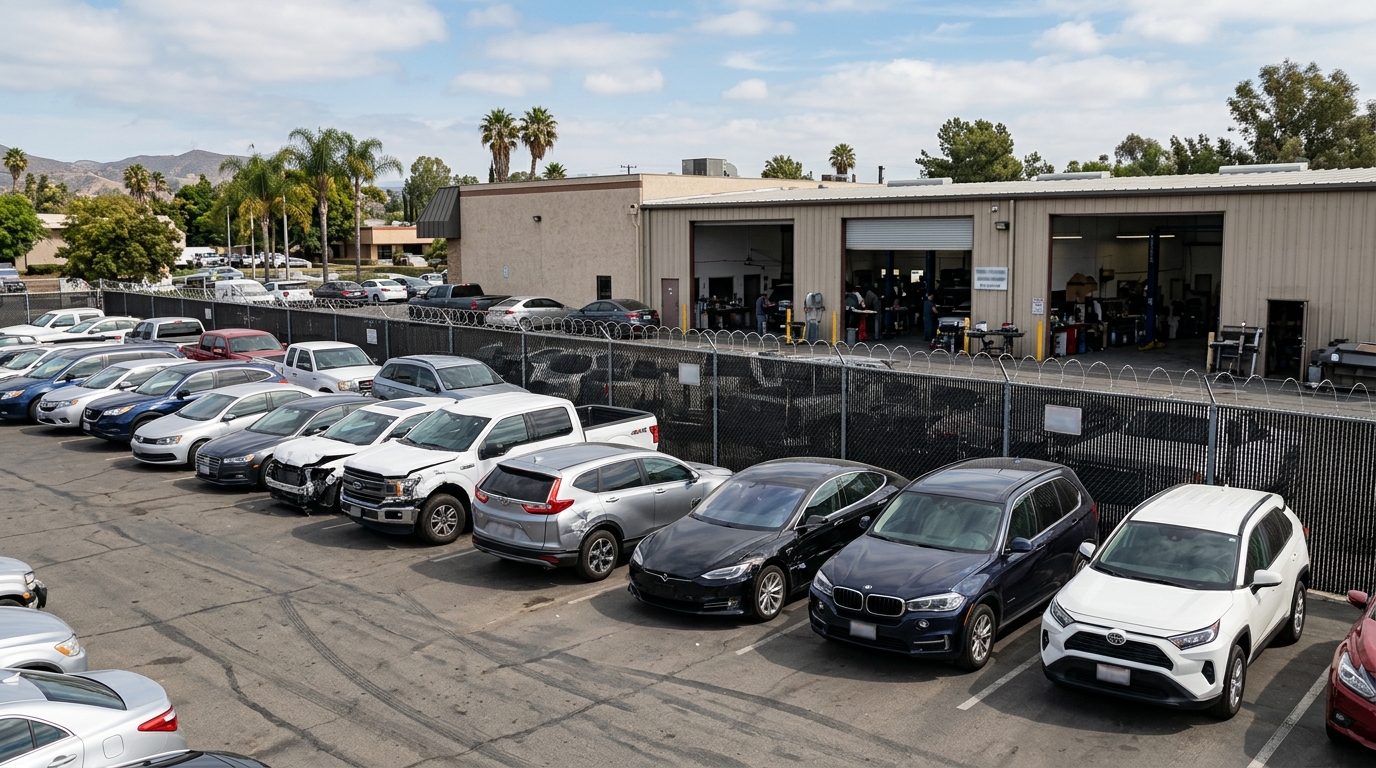
BAR Is Considering More Detailed Storage Rules
California’s Bureau of Automotive Repair is separately working on regulations specifically addressing storage fees charged by automotive repair dealers.
The proposal appears on BAR’s current regulatory actions page. The original proposal entered public comment in late 2025, followed by modified text in March 2026 and second modified text in August.
Because the rulemaking process remains underway, drivers should distinguish the proposed requirements from rules that already apply.
Repair Shops Could Have To Post Storage Rates
Under the current proposal, an automotive repair dealer charging storage fees would display its daily storage rates, including its maximum daily rate, where customers can clearly see them.
Some repair dealers that charge storage after accident repairs or stolen vehicle recovery would also report a maximum daily rate to BAR.
The proposal states that daily storage rates should reflect costs associated with vehicle storage. Those costs could include property expenses, utilities, labor directly related to storage, and liability insurance.
Repair dealers would also retain records used to calculate those rates for regulatory inspection.
BAR Could Create A Public Rate Comparison Tool
Another proposed feature is an online BAR search tool showing average and median maximum daily storage rates within a geographic area.
The tool would serve as a reference for consumers, third-party payors, and other stakeholders. The proposal also says the published figures should not establish or suppress the actual storage rate a repair business charges.
Under the current proposed text, that search feature would become operative one year after the regulations take effect.
Proposed Rules Address Where A Vehicle Is Stored
The latest proposal also addresses the physical location of stored vehicles.
In general, a repair dealer would store a vehicle at its primary business address registered with BAR. If another location becomes necessary, the business would notify the customer before moving the vehicle and document the storage location.
The second modified proposal adds a more specific provision for longer-distance moves. If the alternate storage location is more than 20 miles from the repair dealer’s primary address, the business would provide written notice and obtain written customer authorization before moving the vehicle.
The repair dealer could not charge the customer for transferring the vehicle between storage locations unless the customer authorized that charge.
These requirements could matter after collision repairs because a vehicle may remain at a facility for several days while inspections, repair decisions, insurance issues, or pickup arrangements are pending.
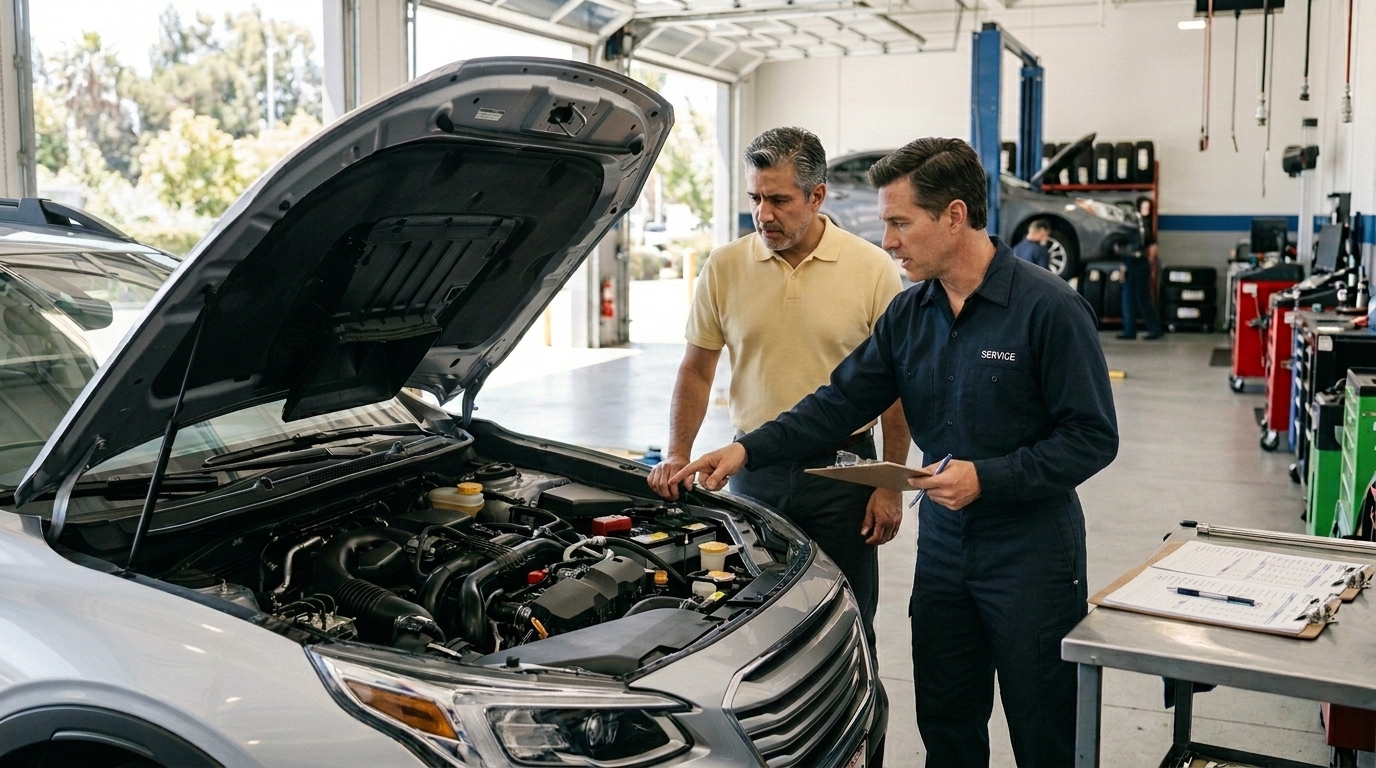
Customers Could Receive Clearer Access And Invoices
The second modified proposed regulations contain several provisions aimed at documenting what happens while a vehicle is stored.
One provision would require a repair dealer to allow the customer or the customer’s third-party payor to inspect a stored vehicle during normal business hours. For this proposal, normal business hours mean Monday through Friday from 8 a.m. to 5 p.m., except state holidays.
The proposed rules also address payment methods. A repair dealer charging vehicle storage fees would accept, at minimum, cash, a valid bank credit card, and an insurer’s check.
Invoices would also become more specific. A shop charging storage fees would list the daily rate, number of days charged, and any other storage-related fees or services on the invoice.
Current BAR guidance already states that automotive repair dealers providing towing and storage services must provide customers with itemized invoices under applicable Vehicle Code provisions.
Storage Charges During Repairs Are A Key Issue
One of the proposed regulations directly addresses the period when actual repair work is taking place.
Under the proposed language, an automotive repair dealer could not charge vehicle storage fees while a vehicle is undergoing repairs, including an authorized tear down.
Before charging storage after completed repairs, the shop would need customer authorization for the repairs, an itemized invoice showing the completed work and supplied parts, and notice that the repairs are finished.
If a shop completes a tear down but declines further repairs, the proposal would require additional notice before storage charges begin. That notice would include the daily storage rate and provide at least one business day for vehicle removal.
BAR’s separate Write It Right guidance already explains California’s broader requirements for repair estimates, customer authorization, additional repairs, and invoices.
What Drivers Can Do When Storage Fees Appear
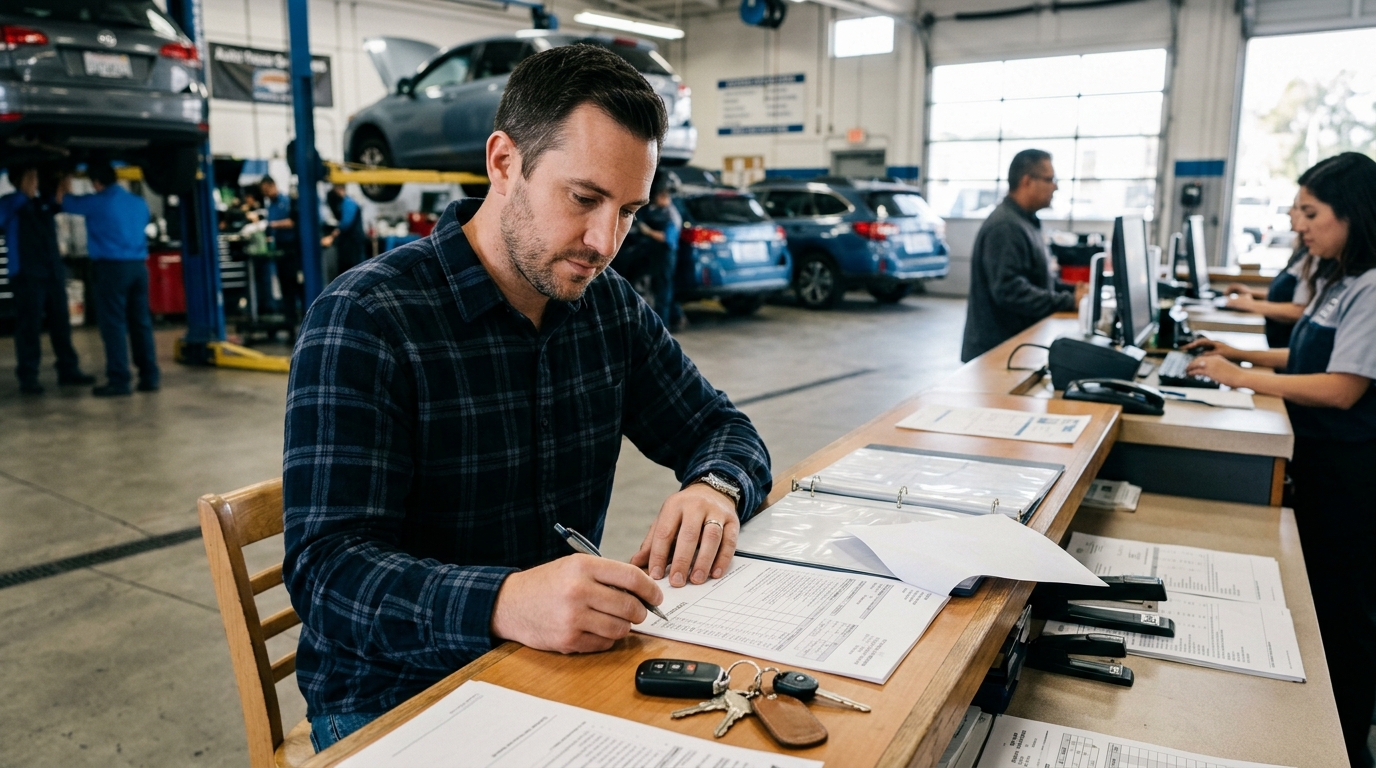
Vehicle owners can reduce confusion by keeping a complete record of the repair transaction. Save the original estimate, revised estimates, repair authorizations, towing documents, invoices, text messages, emails, and notices involving storage.
Ask the repair facility when storage charges begin and what daily rate applies. If the vehicle was moved, ask where it is stored and whether the invoice contains transfer or storage-related charges.
If the vehicle is ready for release, document the pickup request and any payment made. This record can become important if additional storage fees appear afterward.
Customers can also compare questionable charges with current Vehicle Code rules. California Vehicle Code Section 22524.5 addresses reasonable towing and storage charges involving accidents and stolen vehicle recovery.
The Proposed Rules Are Still Developing
California’s auto repair storage rules are in an unusual position during 2026. Some consumer protections already changed on January 1 through AB 987, while BAR’s broader repair-shop storage regulations remain in the rulemaking process.
The latest proposal could provide more detailed rules for posted rates, storage locations, inspections, invoices, notifications, payment options, and public rate information. Those provisions may still change before final adoption.
For now, California vehicle owners should separate existing law from proposed requirements. Current invoices, written authorizations, storage notices, and pickup records remain useful when reviewing a disputed charge. BAR’s regulatory actions page can also provide the latest status as the storage fee proposal moves through the state approval process.