

Beginning October 1, 2026, California buyers and lessees of many used vehicles priced at $50,000 or less gain a three-day right to cancel. The rule comes from the California CARS Act and adds a defined return period, mileage limit, disclosure requirements, and possible restocking fees to qualifying retail transactions.

When California’s New Three-Day Rule Takes Effect
The new cancellation right becomes operative on October 1, 2026. Until then, California’s existing used-car cancellation framework remains in place. The current system generally requires dealers to offer a two-day contract cancellation option on qualifying used vehicles priced below $40,000, subject to statutory conditions and exclusions.
The October change is broader. Under the new rule, a licensed California dealer cannot complete a qualifying retail sale or lease of a used vehicle priced at $50,000 or less without providing the three-day cancellation right. The California DMV’s 2026 new laws overview identifies the change as part of the California Combating Auto Retail Scams Act.
This distinction matters for shoppers reading about the law before October. The three-day right is enacted, but it does not govern qualifying transactions until its October 1 operative date.
Which Used Vehicle Purchases Qualify
The central price threshold is $50,000 or less. The law applies to qualifying used vehicles sold or leased at retail. It does not create a general three-day cooling-off period for every vehicle transaction in California.
California’s statutory definitions exclude motorcycles from the new used-vehicle definition. Other exclusions include certain wholesale transactions, vehicles not requiring registration, qualifying fleet transactions, commercial purchasers, and vehicles with a gross vehicle weight rating of 10,000 pounds or more. Used vehicles sold at auction also fall outside the cancellation provision. A lease buyout is excluded when the lessee already possessed the vehicle before buying it.
The exact requirements appear in California Civil Code Section 1784.43. Buyers can compare their transaction details with the statutory language and the dealer’s required disclosure.
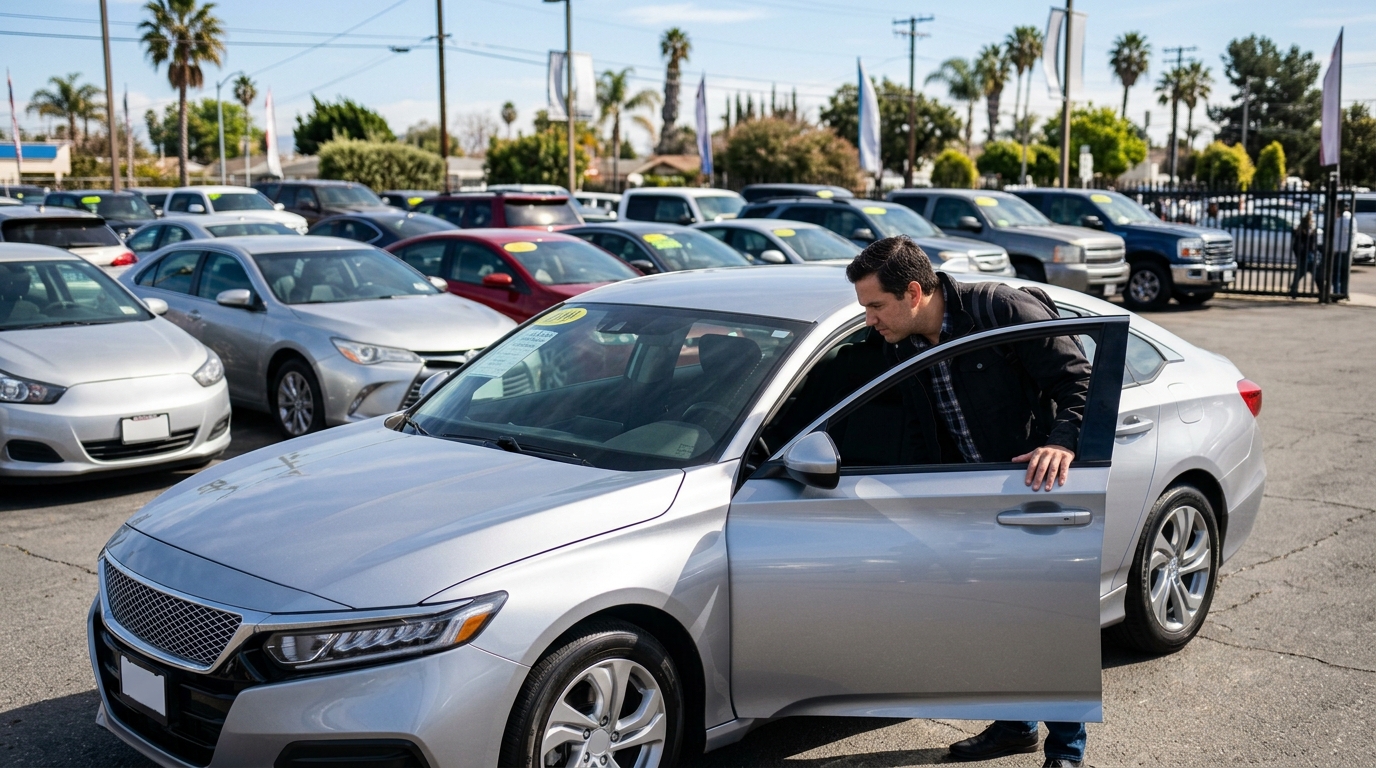
How The Three-Day Cancellation Period Works
The three-day period consists of three calendar days starting on the calendar day after the purchase or lease is executed. If the third day falls when the dealership is closed to the public, the period extends to the next day the dealership is open. The right ends at the close of business on the final applicable day.
Mileage also matters. A buyer or lessee cannot use the statutory cancellation right after driving the used vehicle more than 400 miles between signing the agreement and attempting cancellation.
The 400-Mile Limit And Restocking Fees
The right itself cannot carry a separate purchase price. However, a dealer may charge a restocking fee when a buyer or lessee actually exercises the cancellation right.
Under the CARS Act definitions, the basic restocking fee is 1.5 percent of the vehicle’s sale price, with a minimum of $200 and a maximum of $600. When the vehicle has been driven more than 250 miles, the dealer may add $1 for each mile over 250, up to another $150. Special rules address shipping charges when a dealer transported the vehicle.
These limits make the odometer important during the cancellation period. A transaction may remain within the three-day window but lose the statutory right if mileage exceeds 400 miles.
What Buyers Must Return To The Dealer
Cancellation requires more than notifying the dealer. The buyer or lessee must personally deliver the vehicle to the selling dealer during business hours within the applicable period.
The vehicle must generally be free of liens or encumbrances other than those created by or incidental to the transaction. It also needs to remain in the same condition as when delivered, apart from reasonable wear and tear and certain mechanical problems or defects that appear after delivery and were not caused by the buyer or lessee.
Any cash or other items received in connection with the transaction also have to be returned. The dealer may require documents reasonably necessary to process the cancellation and refund.
Dealers must provide a separate disclosure describing the three-day right. The disclosure includes the return deadline, mileage restriction, restocking-fee information, and conditions for exercising the right. When a transaction is negotiated primarily in certain languages covered by California law, the required disclosure must also be provided in that language.

What Happens To Refunds And Trade-Ins
After a valid cancellation, the dealer generally has up to 48 hours to cancel the contract and provide the applicable refund, minus deductions permitted by law. Bank, credit-card, or other financial-processing delays outside the dealer’s control can affect when funds appear. A different timing rule can apply when a payment, such as a check, has not yet been verified.
Trade-ins receive specific protection. If the trade-in remains available, the dealer generally must return it with the keys. If the dealer already sold the trade-in or started transferring its title, the law uses a valuation rule based on the greatest of the agreed trade-in value, the dealer’s sale amount, or fair market value. Outstanding debt secured by the trade-in may be deducted as allowed by the statute.
The dealer also has documentation duties connected with cancellation and trade-in deductions. These rules help create a paper trail showing when cancellation occurred and the basis for permitted deductions.
New Cars Do Not Get The Same Three-Day Right
The new provision should not be read as a universal California cooling-off period. The statute specifically distinguishes qualifying used vehicles from new vehicles. New-car buyers do not gain the same three-day cancellation right simply because the CARS Act takes effect.
The California Attorney General’s car buying and consumer protection guide also explains existing buyer protections, including disclosure rules, financing information, certified used-car requirements, and the cancellation option that applies before the new law becomes operative.
Why The Change Matters For California Car Buyers
The shift from the existing two-day option to the new three-day statutory right changes the post-sale period for many used-car transactions. It also raises the qualifying price threshold to $50,000 and creates detailed rules for mileage, disclosures, refunds, trade-ins, and restocking fees.
Buyers shopping around the October 1 transition date should pay close attention to when their contract is executed. The rules governing an August or September transaction are not identical to those applying after the new provision becomes operative.
Before signing, buyers can review the vehicle price, financing terms, add-ons, trade-in value, odometer reading, and cancellation disclosure together. Keeping copies of the signed contract and dealer disclosures can also provide a clear record of the transaction.
California’s new three-day used-car cancellation right adds a meaningful consumer protection, but it comes with specific boundaries. The $50,000 price cap, three-calendar-day calculation, 400-mile ceiling, vehicle-condition requirements, and possible restocking fees all affect whether a cancellation fits the statute.