
California’s Electronic Lien and Title program is becoming more important in 2026 as the DMV continues adding participants on a quarterly schedule. The system keeps a lienholder’s title information electronically instead of issuing that lender a paper certificate. For vehicle owners, the biggest effects appear when a loan is paid off, a lienholder changes, or ownership transfers.
How California’s Electronic Title System Works
California’s Electronic Lien and Titling Program, often shortened to ELT, replaces the paper title held by a participating lienholder with an electronic title record in the DMV database. The registered owner still receives a registration card.
The California DMV Electronic Lien and Title Program states that electronic and paper titles carry the same legal significance. They also require the same title documents and receive the same DMV examination. The difference is how the title information is issued and managed while a participating lender holds a security interest in the vehicle.
A participating lienholder either becomes an approved ELT service provider or contracts with one approved by DMV. DMV assigns the participant an ELT identification number and sends electronic notifications when title transactions are processed.
What Is Changing During 2026
The most visible 2026 development is DMV’s implementation schedule for new ELT participants. The department lists multiple application deadlines and quarterly implementation dates.
For 2026, the schedule lists April 1, July 1, and October 1 implementation dates. An application deadline of August 21, 2026, corresponds with a January 2, 2027 implementation date. DMV also lists November 20, 2026, as the application deadline for an April 1, 2027 implementation.
These dates mainly matter to banks, credit unions, finance companies, and other lienholders enrolling in the system. Vehicle owners generally do not enroll themselves.
The schedule should not be confused with a declaration that every California lienholder became subject to a new mandatory rule on one of those dates. DMV’s current ELT page still describes participation as voluntary.
Separately, the agency’s current rulemaking actions page lists an Electronic Lien and Title Program regulation as a proposal. The latest public comment period shown for that action ended May 8, 2026.
That distinction matters. A proposed regulation can change before final adoption. Consumers and lenders can check current DMV information rather than relying on older estimates about mandatory participation.
What Happens After An Auto Loan Is Paid Off
For many drivers, the ELT system becomes most noticeable after the final auto loan payment.
When a participating lienholder’s interest is satisfied, the lienholder can send an electronic lien satisfaction notification to DMV. DMV says the title can then be issued automatically to the registered owner. The record can also move to a new lienholder when another security interest is added.
The process removes the need for a participating lender to manually sign and mail the same type of paper title it would otherwise hold.
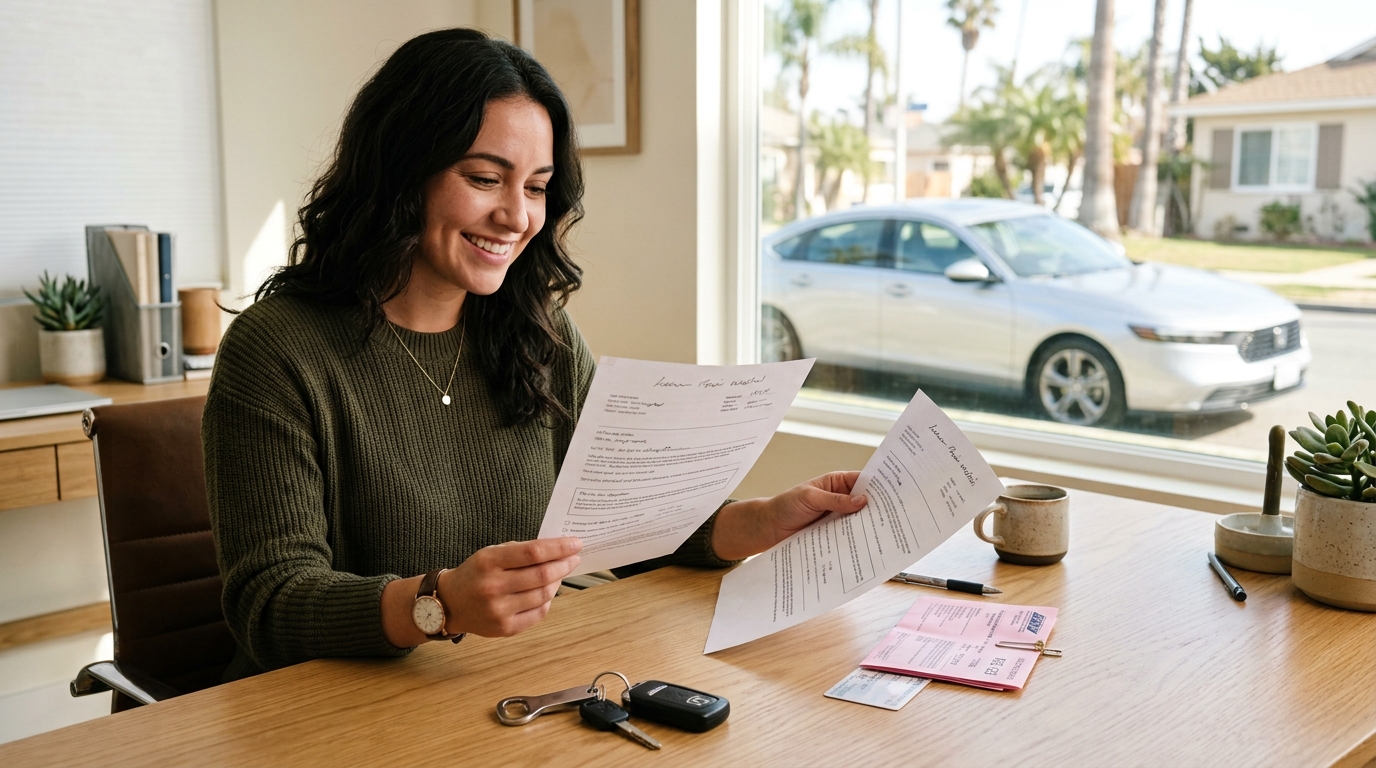
A paid-off loan does not mean an owner should ignore the title record. Drivers can keep documentation showing that the loan was satisfied and confirm that the title information reflects the released lien.
The DMV’s ELT procedures manual explains that when an electronic lien held against the registered owner is satisfied, DMV issues and mails a sole-owner paper title to the registered owner. Certain record conditions can prevent automated title issuance and require manual processing.
How ELT Affects A Vehicle Sale Or Trade-In
Electronic titles can also affect a sale or trade-in because a financed vehicle has a legal owner’s interest attached to it.
California requires changes in ownership or lienholder information to be reported to DMV within 10 days. For a private sale involving a loan payoff, DMV’s title transfer and change guidance identifies the seller or lienholder release and the buyer’s transfer submission as key parts of the process.
If a vehicle still has an active lien, the owner cannot treat the title as if the lender’s interest does not exist. The payoff and lien release need to fit into the transaction.
When a dealer takes a financed vehicle as a trade-in, the dealer may coordinate with the lienholder to satisfy the existing loan. DMV’s ELT procedures explain that when a dealer satisfies an electronic lien during a trade-in, DMV can issue a paper title to the dealer showing the dealer as the legal owner.
What Happens When The Lienholder Changes
A loan can move from one financial institution to another when a lender sells or assigns a contract. Another financing arrangement can also change the lienholder.
DMV distinguishes between transfers involving ELT participants and nonparticipants. When an electronic lien or contract moves to another ELT lienholder, DMV can create and transmit a new electronic title record to that participant.
If the lien or contract moves to a lienholder outside the electronic program, a paper title may be issued instead.
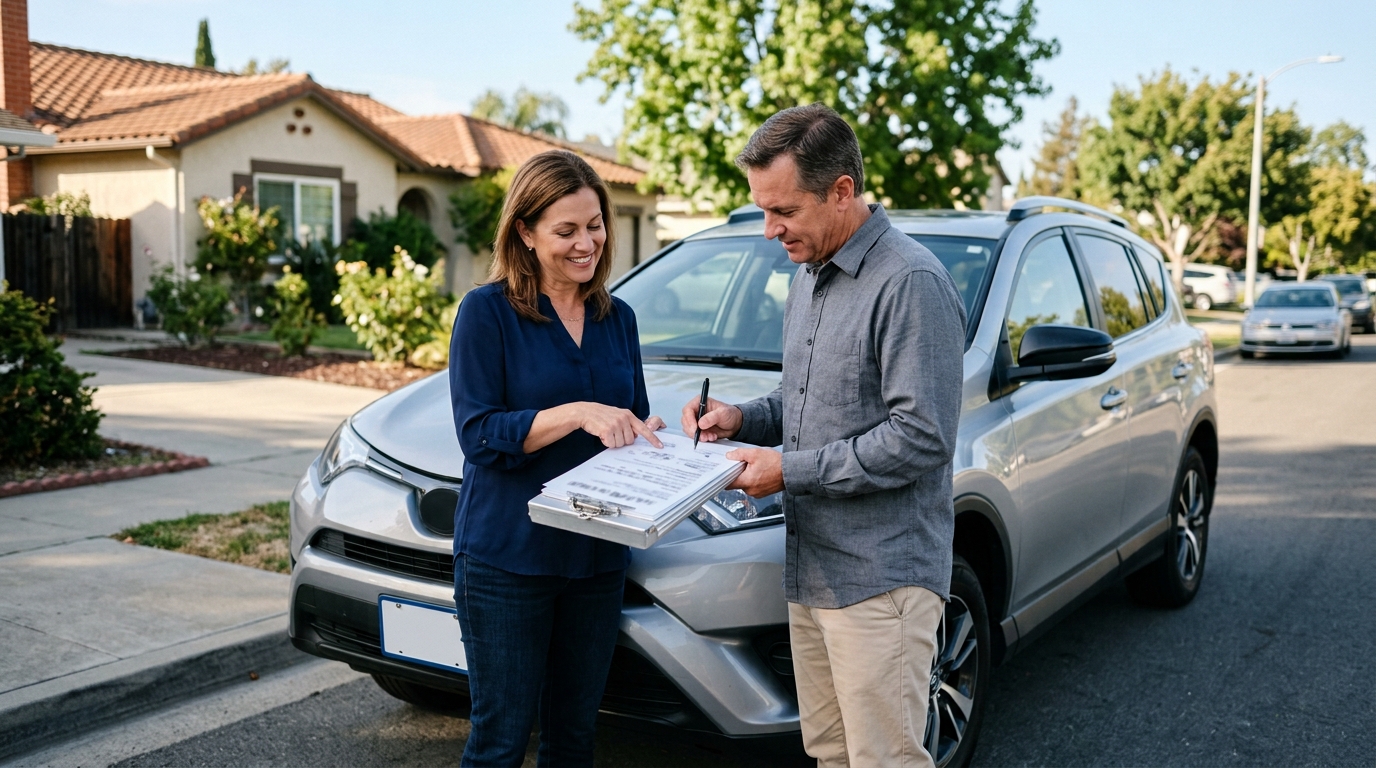
These changes do not necessarily mean the registered owner changes. The vehicle can remain registered to the same driver while the financial institution listed as legal owner changes.
Paper Titles Have Not Disappeared
California’s ELT system does not mean all vehicle titles are now digital documents that consumers can download.
The program specifically keeps title information electronically for participating lienholders. Paper titles continue to play a role in many transactions.
DMV can issue a paper title after an electronic lien is released. A paper title may also be issued when an ELT lienholder requests one, when a transaction involves a nonparticipating lienholder, or when other title procedures require it.
Drivers who lose a paper title may still need California’s Application for Replacement or Transfer of Title, known as REG 227. DMV says Section 5 requires notarization when the vehicle record shows a legal owner or lienholder.
What Vehicle Owners Can Check In 2026
Most drivers do not need to take special action simply because a lender participates in ELT. The system largely operates between DMV, financial institutions, and approved electronic title service providers.
Owners can still pay attention when financing, paying off, selling, or transferring a vehicle. Check the lienholder shown on registration and transaction paperwork. Keep payoff confirmations and title-related documents. After paying off a vehicle, watch for the resulting title record or paper title.
During a sale or trade-in, account for any existing lien before treating the vehicle as free and clear. If a title has not arrived as expected, current DMV guidance can help identify the next step.
A Digital System With Traditional Ownership Rules
California’s Electronic Lien and Title program modernizes how participating lenders and DMV manage title information, but it does not replace the legal importance of the vehicle title.
The 2026 implementation schedule shows new participants continuing to enter the system in quarterly groups. At the same time, DMV’s separate ELT rulemaking remains listed as a proposal, so readers should avoid treating proposed participation changes as final.
For vehicle owners, the practical focus remains simple. Know whether the car has an active lien, keep payoff records, confirm title changes after a loan is satisfied, and follow DMV transfer requirements when ownership or lienholder information changes.